These eight proposed directions connect existing ZENIT ideas in new ways. Each begins with a vision, then names a question and the evidence that could help us explore it.
New proposals inspired by Fredrik Sommerseth Olsen’s ZENIT Program. The studies below have not been carried out, and their possible benefits remain questions.
CHOOSE A DIRECTION
Open a possibility.
Every idea links back to its ZENIT foundations.
8 research directions
Shared proposals appear in both the Earth and Space views.
A different question, perhaps?
No proposal matches these filters. Clear them to explore all eight directions.
EarthEnergy
New proposal
A neighbourhood that remembers heat
What if useful heat had a visible story: where it came from, when it was stored and who could use it next?
Explore this idea+
Imagine
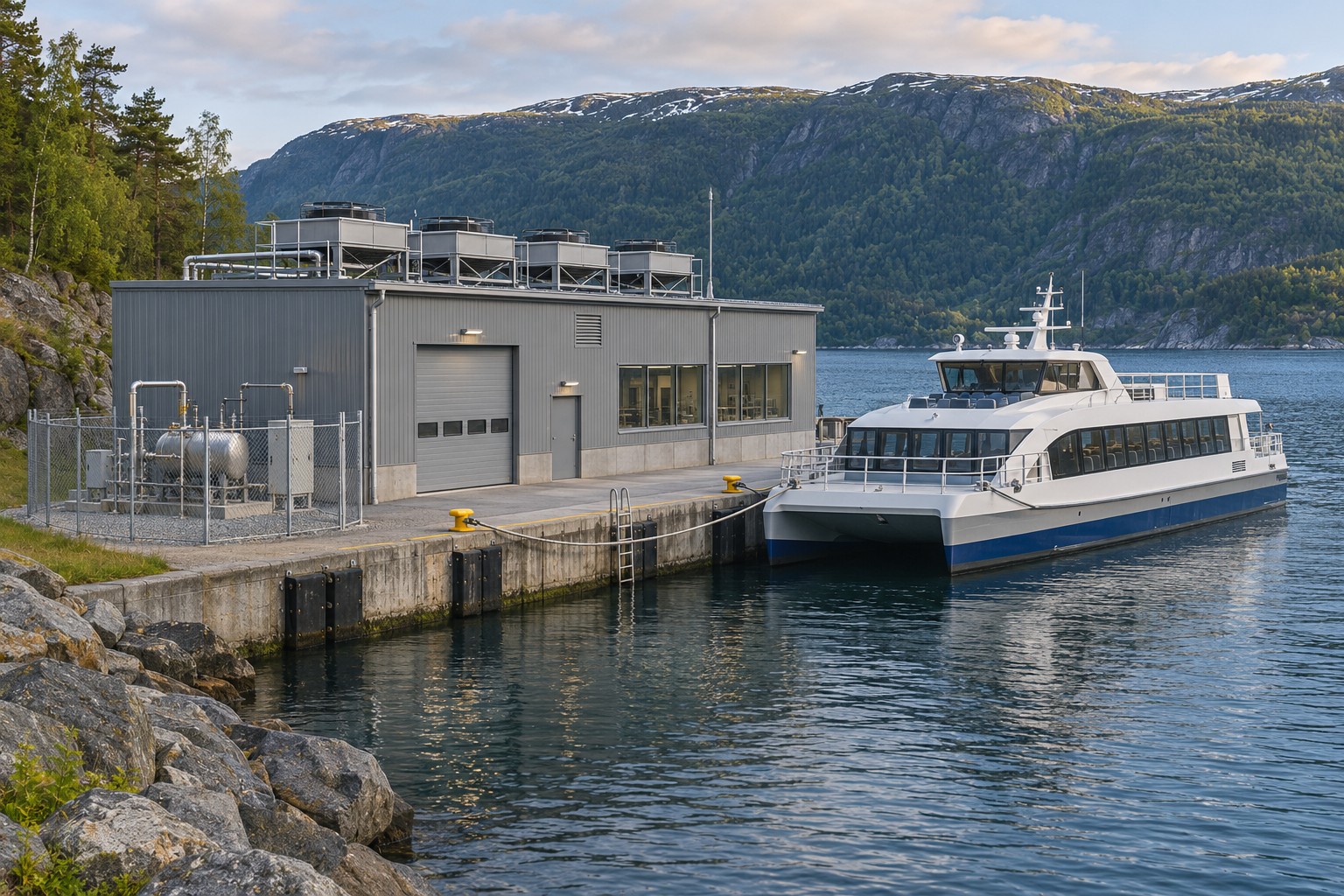
Imagine a coastal neighbourhood whose buildings share a readable heat diary. A workshop’s available warmth, a greenhouse’s changing demand and a community space’s schedule become parts of one understandable service map.
The first question
Does matching temperature and timing make a useful service possible when supply and demand change?
A possible first study
Create a civilian neighbourhood scenario with declared heat sources, service demands and storage accounts. Compare the proposed service with the same useful output and the same starting and finishing inventories.
What would count as progress?
A claimed benefit would need measured useful heat, total electrical input, losses and storage changes. A useful destination for heat must actually exist.
Where it could lead
A clearer route from recovered heat to everyday services, with fewer assumptions hidden inside an efficiency claim.
Research scope
Heat sharing and storage are the proposed subject. No new source of energy or measured ZENIT saving is claimed.
What if a habitat could explain how its air, water and maintenance needs are changing?
Explore this idea+
Imagine
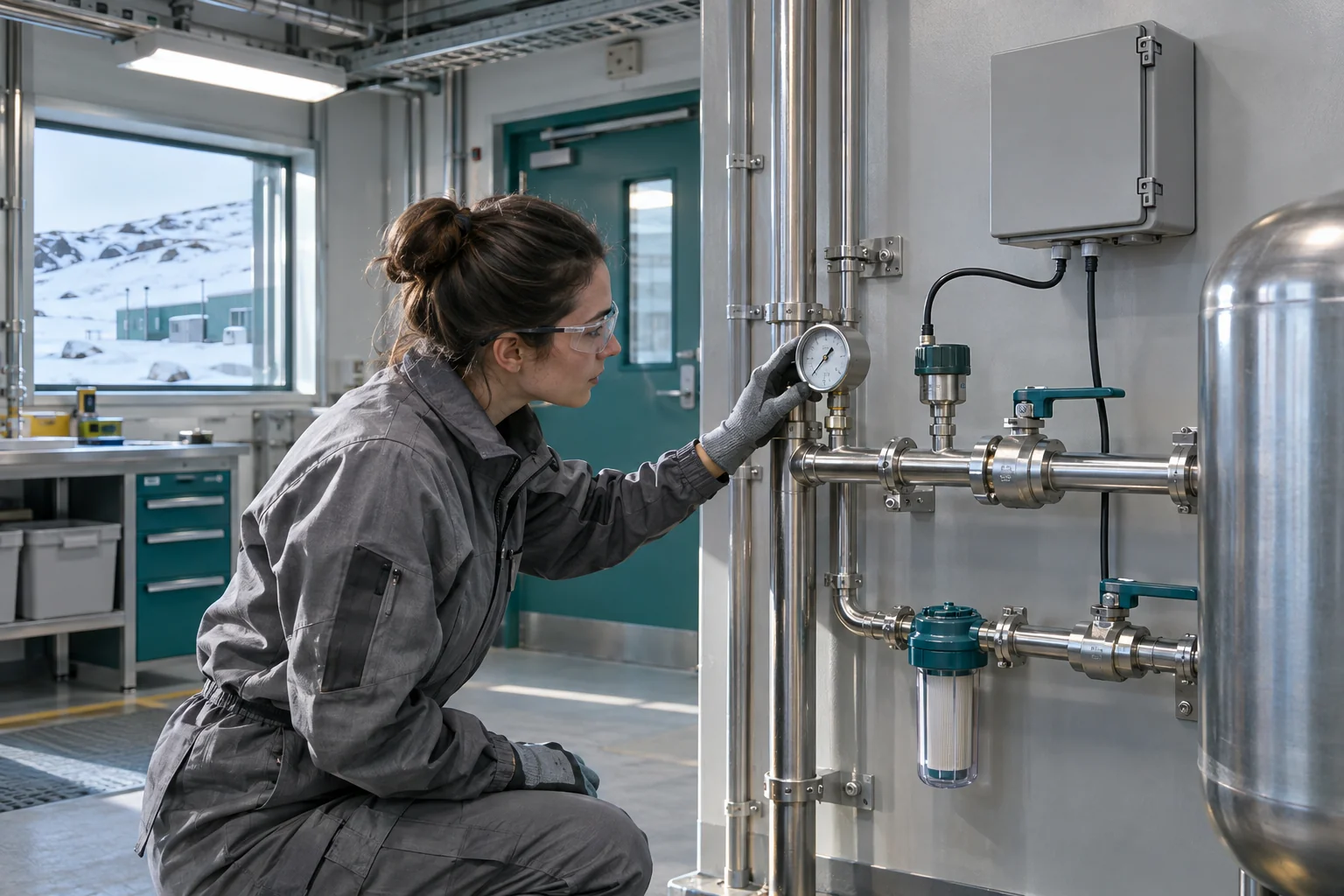
Picture a research station with a living service journal. Instead of a wall of unexplained readings, operators see what changed, how certain the interpretation is and which ordinary observation could clarify it.
The first question
Can an explanation help people understand a service change better than a conventional log alone?
A possible first study
Replay labelled, nonpersonal service records in two interface concepts: an ordinary log and an LSI-style explanation. Include missing readings and cases with more than one plausible interpretation.
What would count as progress?
Use withheld examples and independent human review. Keep incorrect explanations, missed changes and unresolved cases visible.
Where it could lead
Habitats and facilities whose condition is easier to understand, discuss and maintain.
Research scope
This is a proposed observation and explanation study. It supplies no autonomous safety authority or demonstrated habitat capability.
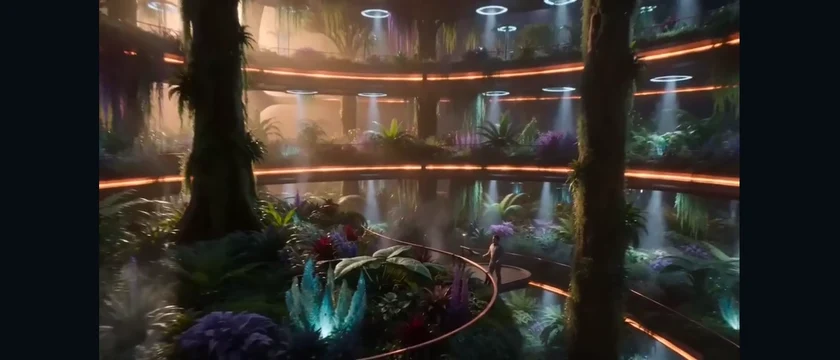
Could one small garden become a meeting place for biology, resource accounting and daily life?
Explore this idea+
Imagine
Imagine a shipboard garden that is also a patient research notebook. Plant observations sit beside water use, lighting input and the crew’s optional notes about the space. Earth growing spaces could explore the same questions on a smaller scale.
The first question
Which plant and resource observations would make a bounded growing experiment informative?
A possible first study
Define a small observational garden study, or a clearly labelled digital version, with recorded conditions and separate water and electrical accounts. Preserve ordinary results as carefully as unexpected ones.
What would count as progress?
Food output, air-treatment effects and any wellbeing benefit would each need their own measurements and review.
Where it could lead
A place where the practical needs of a habitat and the experience of living there can be studied together.
Research scope
The garden is a new research proposal. It is not counted as an established oxygen source or a replacement for life-support equipment.
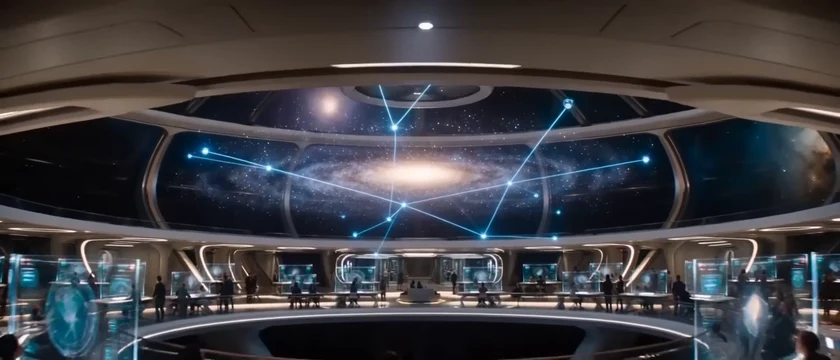
What if an unusual observation could travel through the fleet as a question, with its uncertainty intact?
Explore this idea+
Imagine
Picture an Atlas collection that keeps a curious signal beside its source, context and competing explanations. A second vessel could contribute a separate observation, while an instrument fault remains an equally serious possibility.
The first question
Can repeated, independent observations distinguish something worth investigating from a sensor or processing artefact?
A possible first study
Use a declared observation-replay collection containing ordinary cases, unusual examples and controlled instrument faults. Compare how clearly different interfaces preserve the competing explanations.
What would count as progress?
A discovery claim would need repeatable observations, independent confirmation and a defensible account of instrument and processing effects.
Where it could lead
A scientific memory that helps the Qi Fleet ask better questions without turning every anomaly into a discovery.
Research scope
This proposal concerns scientific observation and evidence. No new phenomenon, mission result or automatic discovery capability is established.
Could a research panel carry a readable autobiography of observations, repairs and unanswered questions?
Explore this idea+
Imagine
Imagine opening a component’s record and seeing its story rather than an isolated warning. Temperature history, inspection notes and repairs retain their dates and uncertainty. The first setting could be a harmless research-facility panel.
The first question
Does preserving a component’s history make later inspection evidence easier to interpret?
A possible first study
Build a sample record from benign, labelled observations and compare interpretations with and without its maintenance history. Keep observations distinct from confirmed findings.
What would count as progress?
Use independent inspection outcomes to assess whether the record helps. A detected change is not proof of damage or a prediction of remaining life.
Where it could lead
A shared language between the people who observe, maintain and study a structure.
Research scope
The proposed result is a research record and interpretation study. No material-life extension or new structural rating is claimed.
What could a future research settlement teach us while it is still a place we can only walk through digitally?
Explore this idea+
Imagine
Imagine entering an unfinished campus where every room has a question attached to it. Visitors follow water services, repair access and ordinary daily tasks, then discover where the model leaves an essential relationship unclear.
The first question
Can a virtual settlement expose misunderstandings about service paths and maintenance access early enough to improve a concept?
A possible first study
Create a civilian digital walkthrough with routine maintenance and loss-of-service storyboards. Compare how participants locate equipment and explain the connections between spaces.
What would count as progress?
Usability findings would need recorded participant tasks and independent interpretation. Physical habitability and life-support qualification would remain separate studies.
Where it could lead
An early conversation about the places people might one day live and work, grounded in the relationships a drawing can reveal.
Research scope
This is a proposal for learning from a virtual environment. It establishes no construction-ready settlement or physical survival capability.
What if a whole coastal community could understand its shared resources through one clear picture?
Explore this idea+
Imagine
Picture an Earth study where homes, a workshop, water services and a SafeSpot appear on the same living map. People can explore how changing one service affects the questions the community needs to ask next.
The first question
Which connections between energy, water and essential services help people understand a local resilience question?
A possible first study
Construct an illustrative coastal-community case with explicitly assumed conditions. Compare clear service maps with separate lists of readings and retain the questions neither view can answer.
What would count as progress?
A real community application would need its own site records, measured services and locally reviewed requirements.
Where it could lead
A more understandable discussion of useful energy, shared services and the consequences of competing priorities.
Research scope
The coastal setting is illustrative. No real town, installed network or emergency-service capacity is claimed.
Before asking whether an environmental pattern could matter to future travel, could we show that the pattern is real?
Explore this idea+
Imagine
Imagine a field notebook for space: observations kept beside their time, location, instrument context and independent witnesses. The creative starting point is ZENIT’s Frequency Travel question; the proposed first subject is the observation itself.
The first question
Would an apparent pattern remain after instrument effects, timing errors and ordinary explanations are considered?
A possible first study
Compare independent passive observation records with declared examples of instrument and timing bias. Record which apparent patterns disappear and which still need explanation.
What would count as progress?
Any claimed environmental signature would need repeatability and independent checks. A repeating pattern alone would not demonstrate propulsion or travel.
Where it could lead
A more precise foundation for deciding which long-term physics questions deserve further study.
Research scope
Frequency Travel remains a research hypothesis. This new observation proposal adds no validated travel mechanism or movement capability.

 THE ZENIT PROGRAM / NEW QUESTIONS