The ZENIT Program ·
Earth and Space Program Summary
ZENIT’s Earth Program studies cleaner power, transport and emergency shelter. Its Space Program designs research vessels and a lunar outpost. A winter shelter and a lunar refuge share a practical question. Which services can keep running when power or communications fail?
What has been tested
The Seven Developments software release on 9 November 2026 covered 7 software prototypes, 69 software checks and 969 reference or synthetic cases. The release contained 0 hardware tests.
One prototype declined a science load that the electrical supply could carry because there was too little cooling. The NEXUS checker found all nine deliberately inserted inconsistencies and kept 22 unknown installation values open.
Who controls a restart?
- SERAT and GENI
- SERAT routes power and manages heat. GENI requests field actions within local operating limits.
- NEXUS and LSI
- NEXUS compares telemetry with its digital model. On Earth, Living Systems Intelligence (LSI) shows operators a reading’s age and uncertainty.
- AXIOM and ZSA
- AXIOM can block a restart locally during a communications outage. The independent ZENIT Safety Authority (ZSA) authorizes tests and closes hazards.
Earth program · Power, heat and transport
A SafeSpot in winter
The Earth Program pairs an immediate need, keeping a community shelter operating in winter, with longer-term work on power plants and hydrogen transport. A Norwegian building with grid access could host the first field trial.
The SafeSpot winter outage model gives 36.9 hours for three constant essential loads, using 24 kWh of usable reserve at 0.65 kW. It allocates 0.10 kW to lighting, 0.15 kW to local communications and monitoring, and 0.40 kW to refuge ventilation controls. After 24 hours it has 8.4 kWh left.
It excludes space heating, cold-battery effects, start-up peaks and recharging. A field pilot would meter each load and the reserve while the ZENIT Academy rehearses the shift handover.

Fusion power and useful heat
The plant design separates a single stellarator-derived fusion core from the SERAT Energy Island. Its targets are 5.30 GW of fusion heat and 2.00 GW of net electricity to the grid. Magnet protection and tritium inventory control still need physical qualification. In parallel, a grid-fed SERAT pilot could meter electricity bought, heat delivered to a customer and losses.
Qualification record · Fusion Power Plant Qualification Work Packages, WP3 R1, 30 September 2026. Public fusion facility overview
Hydrogen on a real route
The ZC-1 car and ZA-1 passenger aircraft use hydrogen combustion in their designs. The ZP-1 passenger boat offers a route trial. Match the route, speed and passenger load with the ferry in service and, where feasible, a battery-electric vessel. Measure fuel-chain greenhouse gases per passenger-nautical mile, refuelling time and availability. For combustion, also measure nitrogen oxides.
That comparison could substantiate a climate claim for one transport service. Estimating a wider impact would also require evidence of deployment and which journeys it replaced.
SafeSpot outage model · ZP-1 passenger boat · Route trial design
Space program · Fleet missions and a lunar refuge
From orbit to the sample archive
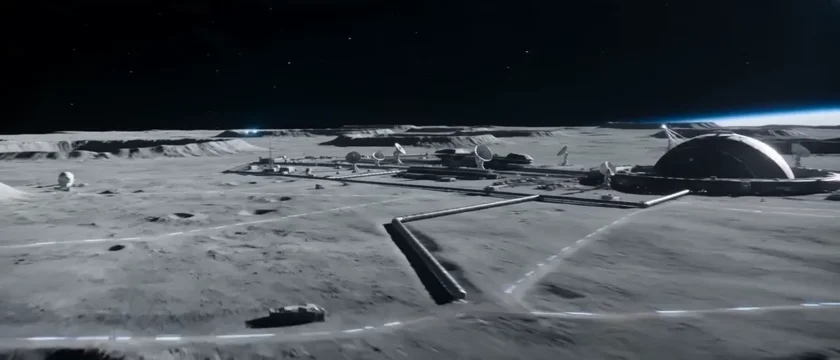
The Qi Vanguard Fleet assigns distinct jobs to orbital and surface vehicles. The CORAC Lunar Research Outpost gives those designs a concrete mission. Six people would conduct polar research over a proposed 30-day surface campaign.
In the fleet design, Zorak provides command and reserve capacity, Centri coordinates recovery, Anorak maps ahead and Fronak studies anomalies. Norak carries roadsters for surface surveys. Qi shuttles handle orbital transfers. At CORAC, scouts would survey the terrain and rovers would deliver sealed samples to a cold lab.
What the refuge calculation covers
The CORAC sizing model gives 72 hours for one refuge load, starting with a full bank. The calculation starts with a 1.2 MWh nominal bank, assumes 80% usable depth and 90% delivery efficiency, and budgets 864 kWh for one 12 kW refuge load. A ground trial would run representative ventilation, carbon dioxide removal, cooling and communications together through a supply interruption.
What the latest shield run found
The fleet’s Outverse shield design divides five layers across five hull sectors into 25 control regions. In the CORAC simulation published with revision 202, 0.24% more protons reached one 25 cm diameter detector with the steady field on than with it off. In one second the coils drew 36.71 J and returned 0 J to the modeled buffer. A crew-protection claim would require a calibrated exposure map and dose measurements.
Frequency travel and IT-Jump remain research hypotheses. An interstellar travel time would require a verified mechanism and independent measurements that account for energy and momentum.
From a building to orbit
When power, cooling or remote data is lost, do the essential loads stay within limits, and does the local controller wait for valid readings before restart?
- Earth field pilot at one Norwegian building. Record a normal operating day. During a planned loss of grid power and the data link, meter each essential load and the reserve, log temperatures and observe the shift handover.
- Spacecraft bench test with a real controller and simulated loads. Replay the faults with a real controller connected to simulated spacecraft equipment. Independently log voltage, temperature, trips and recovery against limits agreed before the test.
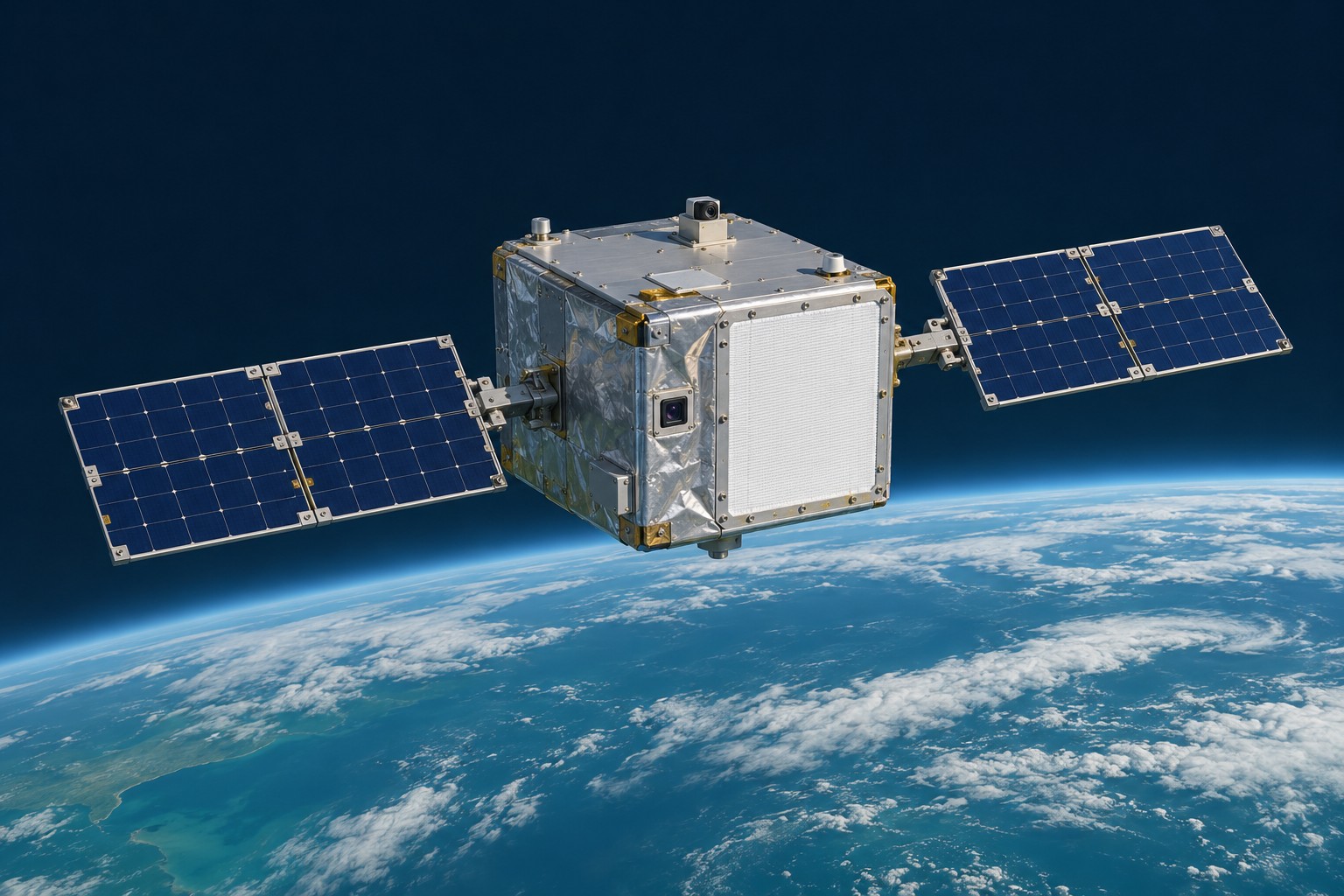
- Uncrewed orbital test with a proposed 50–150 kg spacecraft. Once the bench results justify flight, use a purchased spacecraft platform in low Earth orbit. Compare time-stamped flight readings with the ground record during defined faults and communications gaps.
What would carry forward
Each step would produce a fault log with original readings, declared limits and observed recovery. That record would give the next team a way to reproduce the result and the ZENIT Safety Authority a basis for deciding whether the next test can proceed.
Scientific potential and proposed tests · Orbital demonstrator scope · Published research records
Reference points beyond ZENIT
ITER distinguishes fusion power in the plasma from electricity delivered to the grid. ESA’s Moonlight program offers a reference for lunar communications and navigation planning, including where a mission would need relay coverage.
ITER · Fusion power and electricity · ESA · Moonlight services